In a world increasingly focused on "safety first," the sight of a child perched high on a climbing frame can make any parent’s heart skip a beat. However, UK health experts and child psychologists are increasingly advocating for a vital ingredient in a healthy childhood: Risky Play.
At Home Front, we design our timber play systems as a controlled environment where children can push their boundaries. Here is why that climb is essential for their development, backed by UK research and guidance.
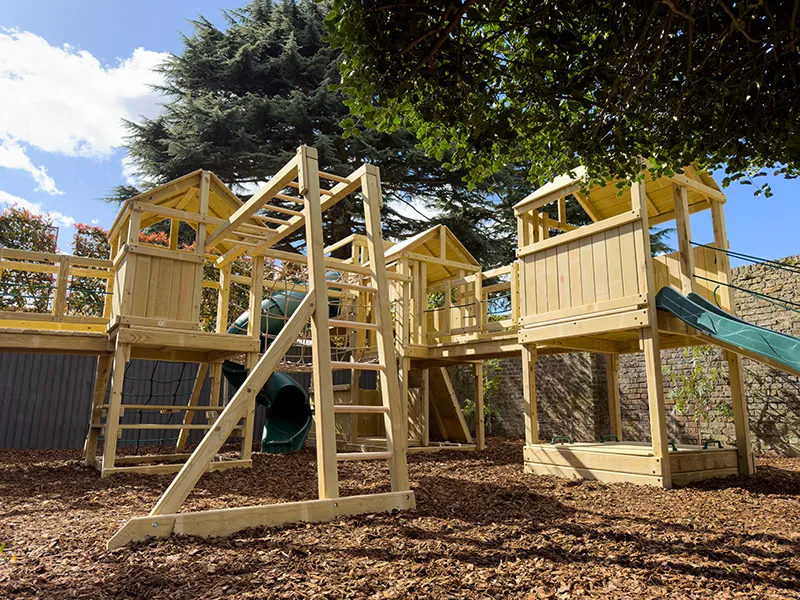
Risky play is defined as thrilling and exciting play where there is a possibility of physical injury, but where the child has the autonomy to judge the risk for themselves. According to the Health and Safety Executive (HSE), the goal of play is not to eliminate risk, but to weigh the risks against the benefits. As the HSE states: "No child will learn about risk if they are wrapped in cotton wool."
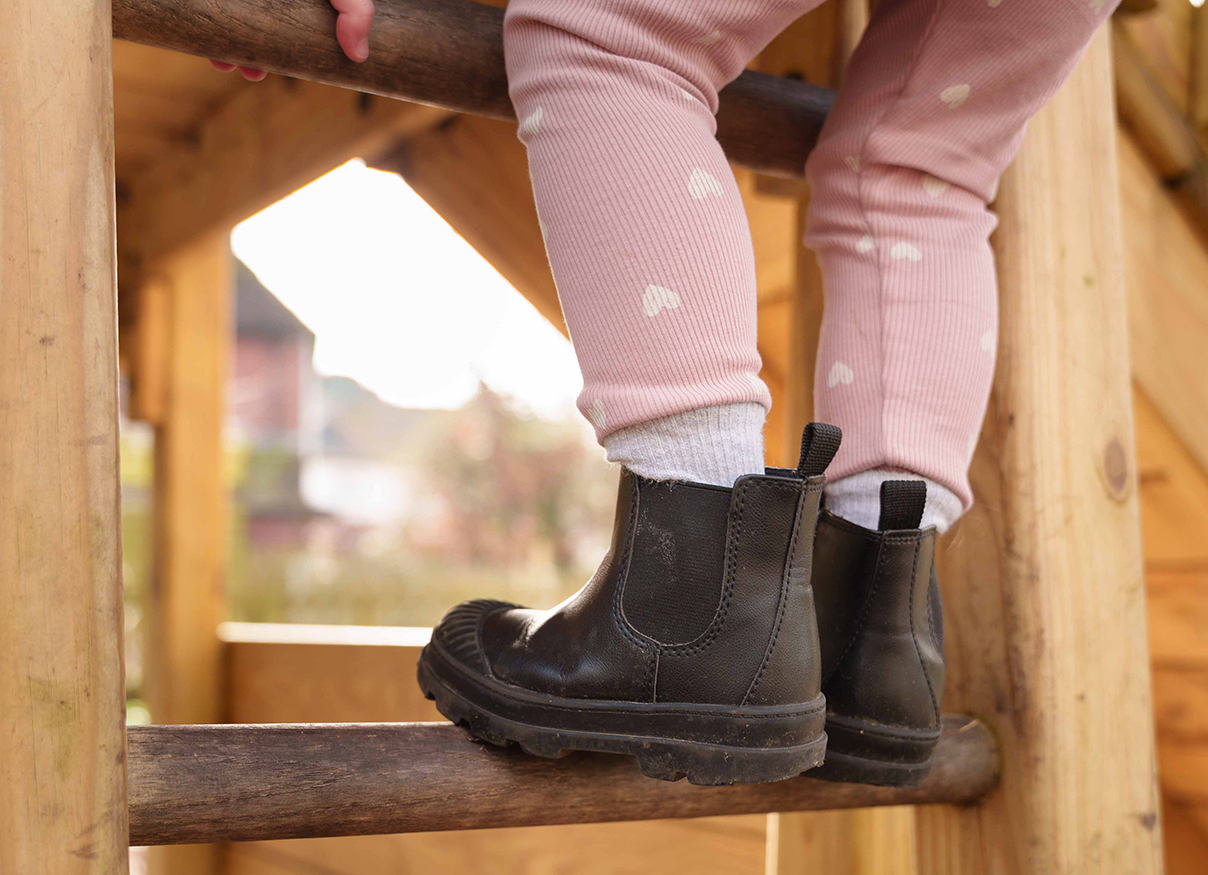
When a child climbs, they perform a mental "science experiment," calculating the distance between rungs and the strength of their own grip. By navigating these challenges, they build Risk Intelligence.
The Benefit: Research published in Child: Care, Health and Development suggests that children who engage in risky play learn to identify their own limits, which actually reduces the risk of serious injury later in life as they become experts at self-assessment.
The thrill of height triggers a physical rush of adrenaline. Reaching the top of a Home Front tower allows a child to experience "threat mastery."
The Source: UK-based play experts, including those cited by Family Support NI, note that this type of play builds emotional resilience. It teaches children that they can manage uncomfortable feelings like fear and frustration, turning them into a sense of achievement.
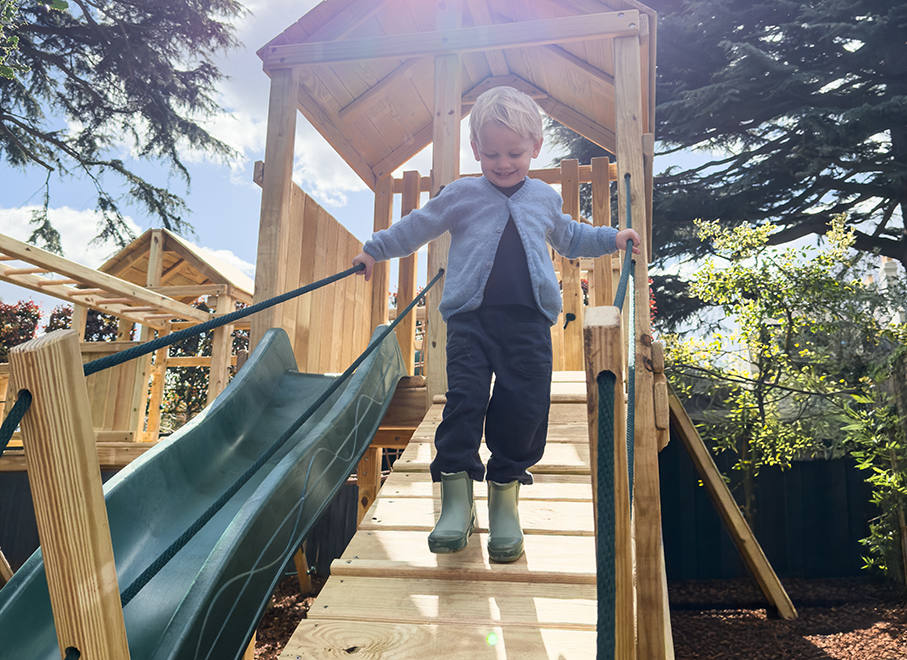
Climbing is a full-body workout that develops skills indoor play often misses:
A recent study involving emergency care practitioners (doctors and nurses) found that health professionals actually support risky play. They believe it equips children to cope with stressful situations across their lifespan. Learning to "persevere through failure" such as failing a climb and trying again, instills a deep-seated confidence that can't be taught in a classroom.
We follow the philosophy of making play "as safe as necessary, not as safe as possible."
The next time you see your child reaching for the highest rung, take a deep breath. They aren’t just playing; they are training for life. Ready to start their adventure? Explore our range of residential climbing frames to find the perfect challenge for your garden.
Sources & Further Reading: