Children need opportunities to take risks. The kind that makes them stop, think, have a go, and perhaps even feel a little nervous. Learning to try something new is an important part of growing up.
The key is understanding the difference between risk and hazard.
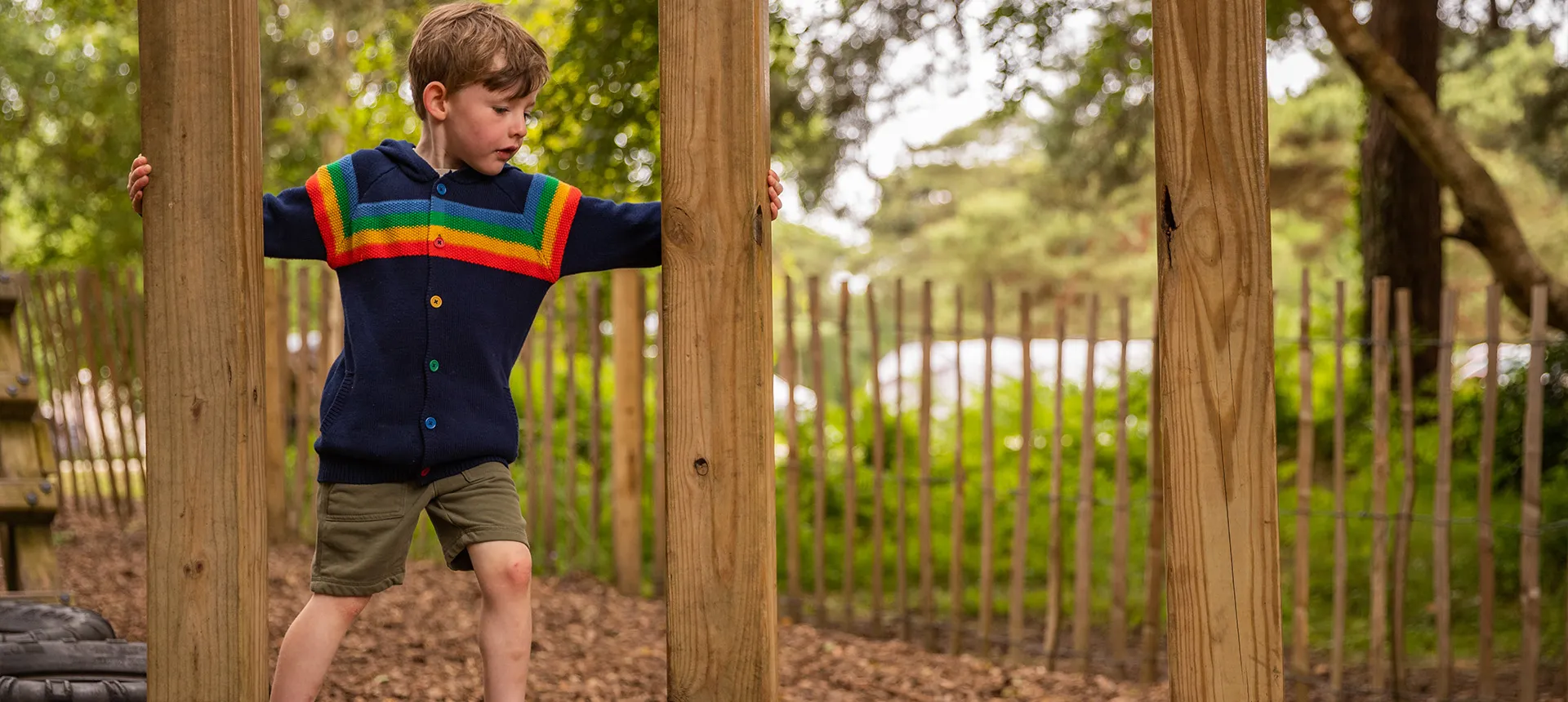
A hazard is something that could cause harm and should be controlled where possible. A risk, on the other hand, is a challenge where there is some possibility of a negative consequence, but where the situation can be managed and the child can learn from the experience.
“What happens if I try it this way?”
“Do I need to slow down?”
“Am I ready to go a little further?”
“Would you like to try it another way?”
Children naturally test their limits through play.
Think about a child making their way across a set of stepping stones. They have to decide where to put their feet, how far they can step and whether they feel confident enough to carry on. On the monkey bars, they might work out how to move from one bar to the next, while a balance beam encourages them to think about their speed, movement and body position.
These might seem like simple activities, but children are constantly making little decisions:
“Can I do this?”
That is valuable learning.
If we remove every challenge, children don't get as many opportunities to develop these skills. Instead, they can become reliant on adults to decide what is safe for them in every situation.
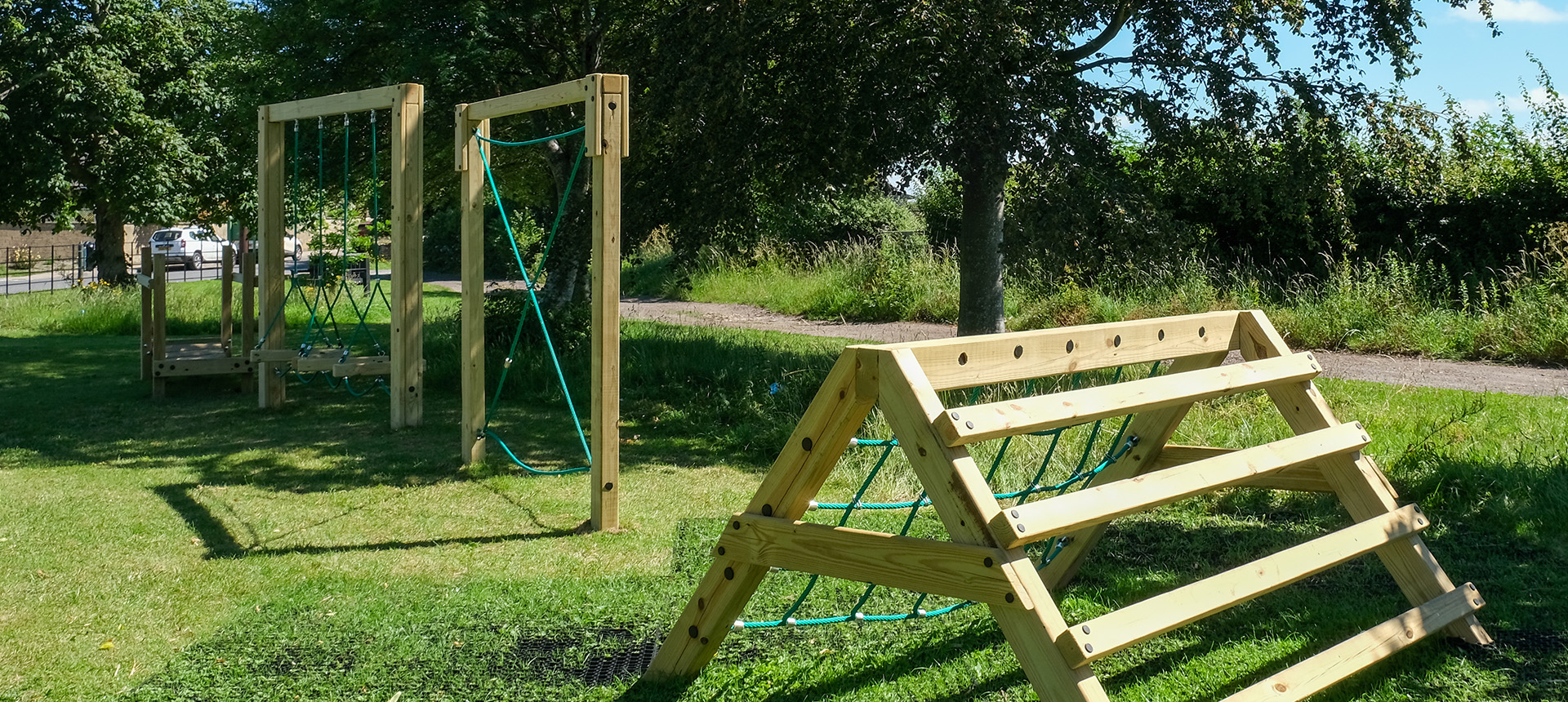
Schools have an important role to play in giving children safe opportunities to challenge themselves too.
Outdoor play equipment, PE, forest school and other forms of active learning can all provide appropriate levels of challenge. The adult's role isn't necessarily to remove the challenge, sometimes it's simply to help the child think about it.
“What do you think you need to do?”
These conversations help children develop their own judgement, rather than expecting an adult to make every decision for them.
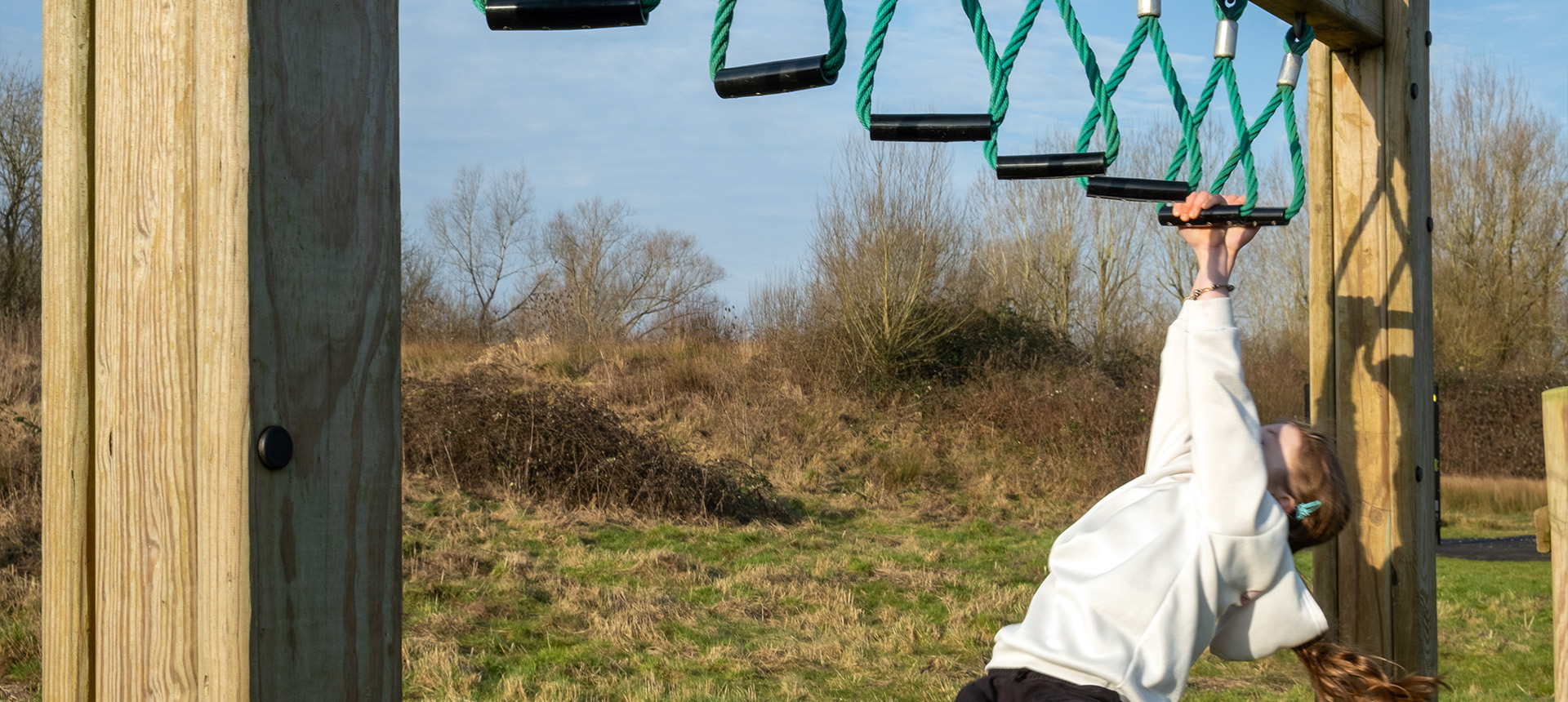
Of course, genuine hazards need to be identified and managed. But a childhood without any risk or challenge isn't necessarily safer or more beneficial.
Children need chances to stretch themselves, make decisions, occasionally get things wrong and try again. The goal isn't to stop children taking risks. It's to give them the opportunity to learn how to take appropriate ones.
Those are skills they'll carry with them far beyond the playground.