When we think about early years learning, we often picture story time, counting games and creative activities in the classroom. But some of the best learning happens outside!
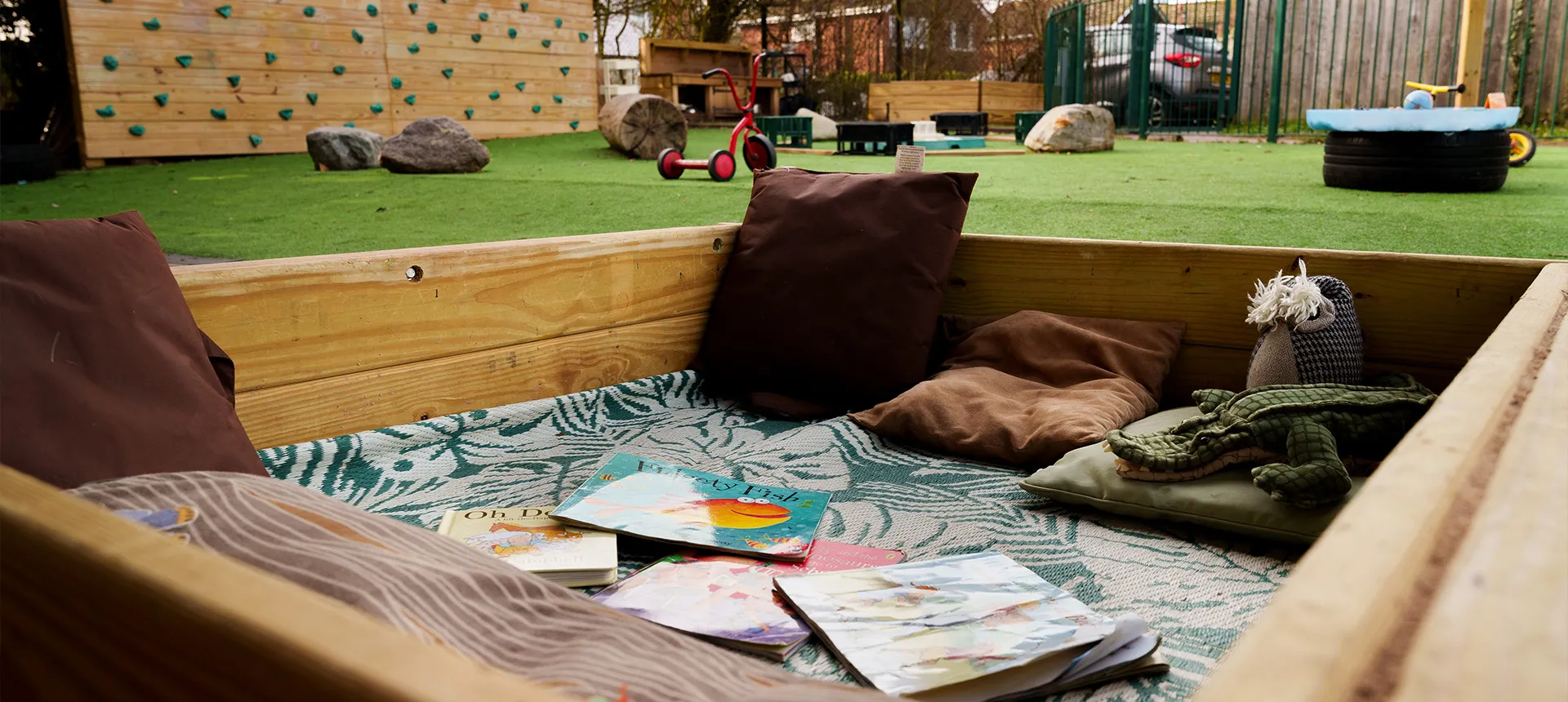
For children in the Early Years Foundation Stage (EYFS), play is a huge part of how they explore, understand and interact with the world around them. From climbing and digging to making friends and inventing games, a well-designed playground can support all seven areas of learning.
So, how can outdoor play spaces help bring the EYFS framework to life?
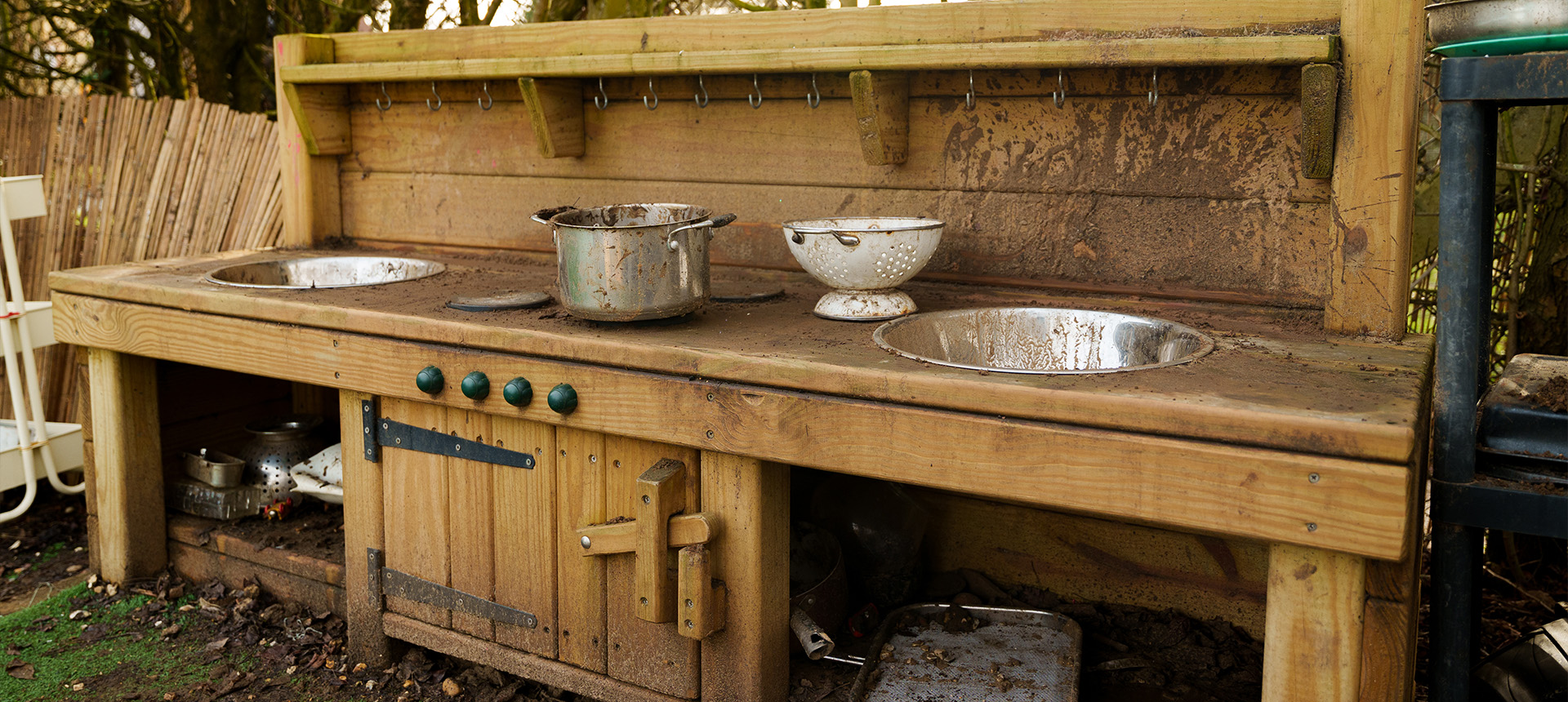
Whether children are making up imaginary games, chatting by the mud kitchen or sharing their latest discoveries, playgrounds provide endless opportunities to develop communication skills. Features such as quiet spaces, storytelling areas and interactive panels encourage conversation, listening and new vocabulary.
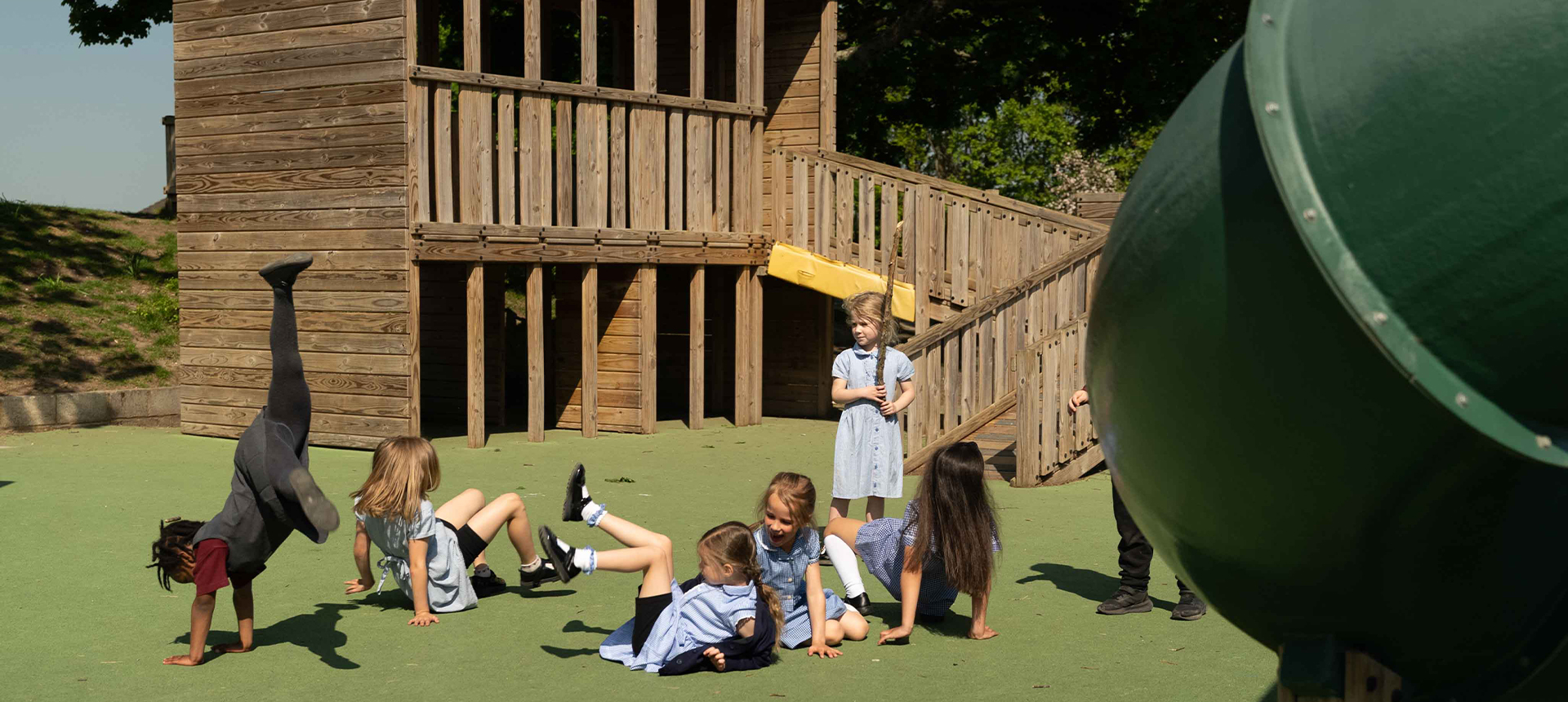
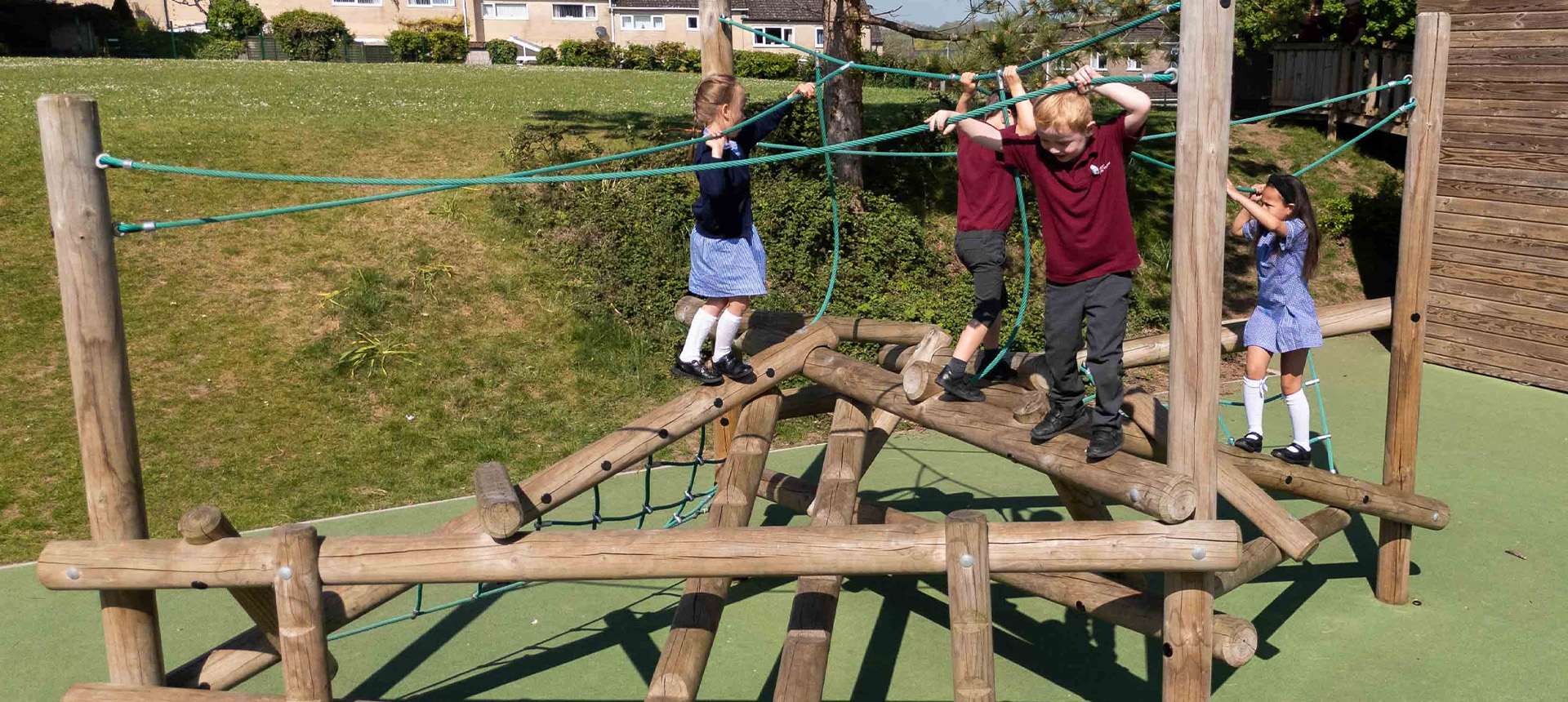
Running, jumping, climbing and balancing all help children develop strength, coordination and confidence. Climbing frames, play trails, stepping stones and obstacle courses offer exciting ways to get little bodies moving while developing important physical skills.
Playgrounds are brilliant places for building friendships, learning to share and developing independence. From taking turns on the slide to working together to build a den, children learn valuable social skills through everyday play. It's also worth including quieter spaces where children can relax and enjoy some time to themselves.
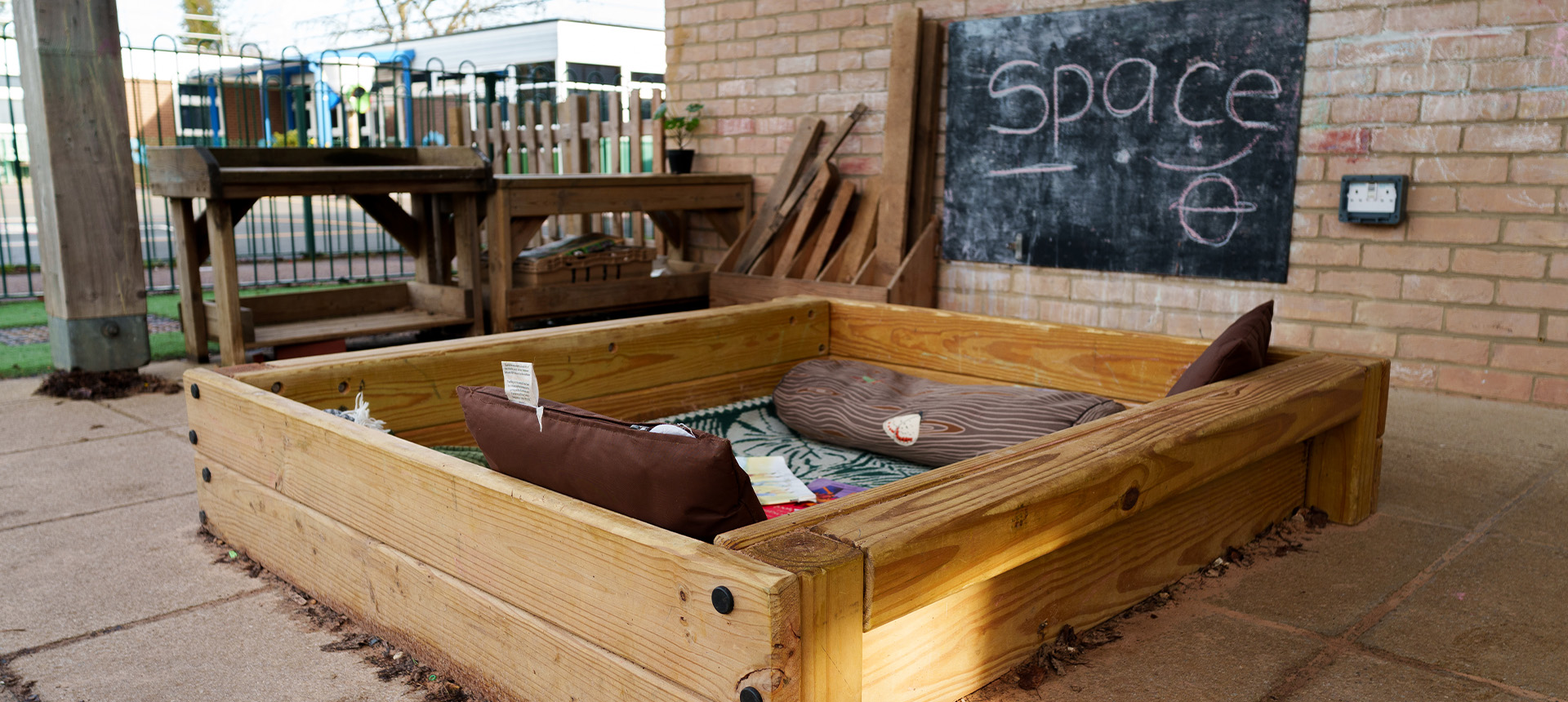
Learning to read and write doesn't have to stay indoors! Outdoor chalkboards, storytelling dens and letter panels can introduce early literacy skills in a fun and engaging way. Who knows, your playground might even inspire the next great storyteller!
Maths is everywhere when children play. Counting stepping stones, comparing heights, measuring sand or filling water containers all introduce early mathematical concepts. Sand and water play, number trails and construction areas make learning about numbers, shapes and measurements feel like part of the adventure.
The outdoors is the perfect place for little explorers. Planting areas, bug hotels, digging spaces and sensory gardens encourage children to investigate nature, discover different materials and develop curiosity about the world around them.
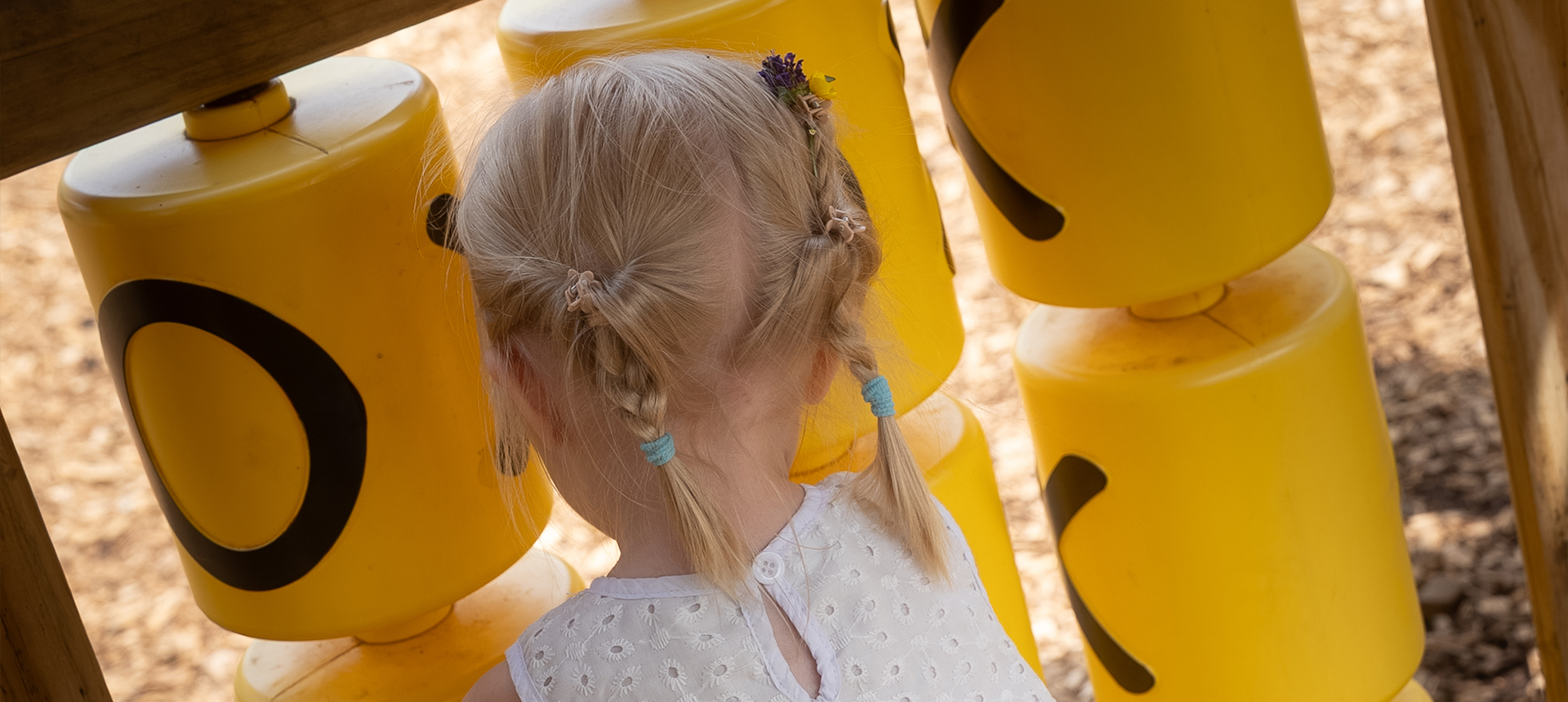
Every playground needs a little imagination! Outdoor music stations, creative mark-making walls, performance spaces and loose parts give children opportunities to make, build, experiment and express themselves. A simple playhouse could become anything from a castle to a spaceship!
The best thing about designing an EYFS playground is that these seven areas don't need to be kept separate. One simple feature can support several areas of learning at once.
Take a mud kitchen, for example. Children could be measuring ingredients (Mathematics), chatting about their recipes (Communication and Language), working together to run a pretend restaurant (PSED) and exploring different textures (Understanding the World).
When planning a new playground, think about creating a balance of active, creative, sensory and imaginative play opportunities. The aim is to give children the freedom to explore, develop new skills and learn at their own pace. A great EYFS playground is so much more than somewhere to burn off energy. It's an outdoor classroom, a place for discovery and, most importantly, somewhere learning feels just like fun!
Thinking about developing a new play area for your school or nursery? We'd love to help you create an outdoor space that inspires curiosity, encourages learning and makes every playtime count.