Play is not just "fun and games"; it is the fundamental way children learn about the world, their bodies, and their peers. However, a "one-size-fits-all" approach to playground design often leaves younger children overwhelmed and older children bored.
Creating age-appropriate playground zones is the key to developing a community space that remains relevant, safe, and engaging as children grow. By segregating areas based on developmental milestones, we can ensure every child finds the right level of challenge.
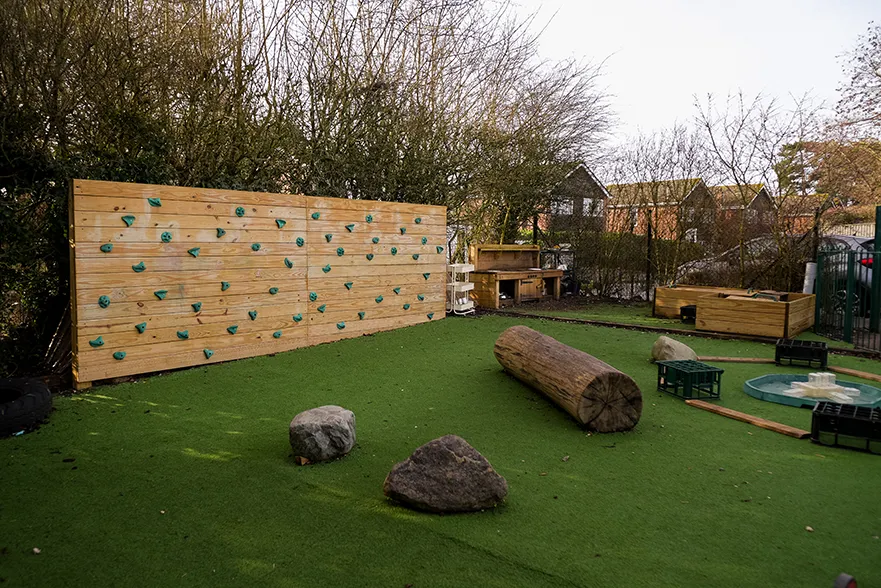
For the youngest explorers, the focus is on sensory exploration and physical stability. At this age, children are just mastering the art of walking and basic motor skills.
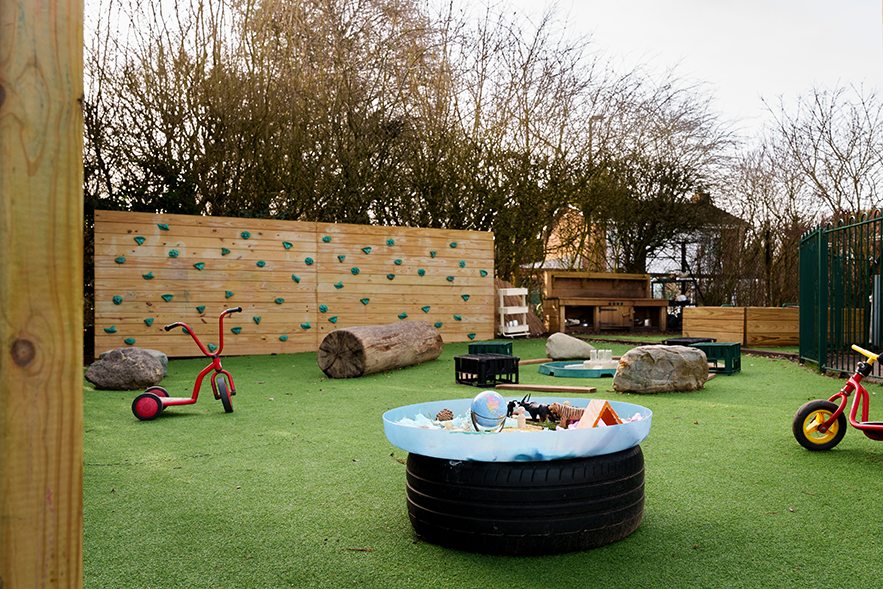
Preschoolers are becoming more confident. They are starting to climb, slide, and engage in "imaginative play."
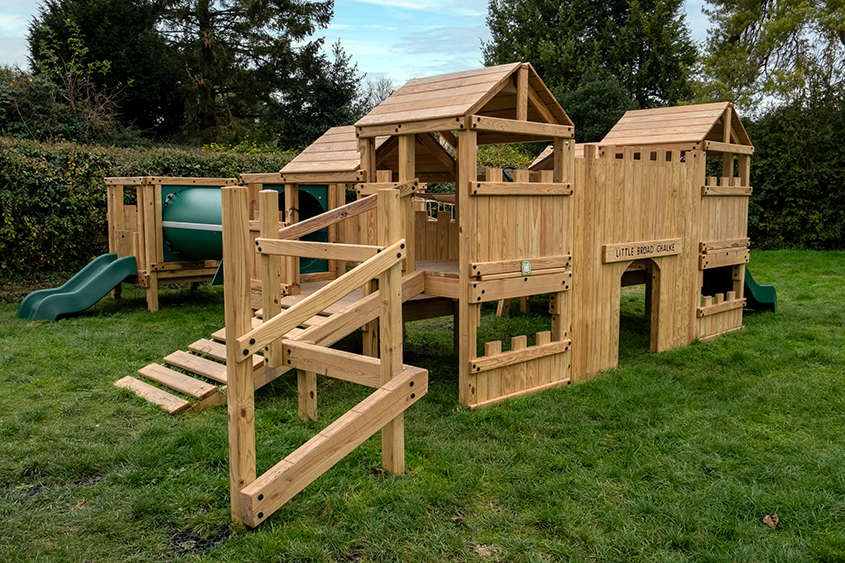
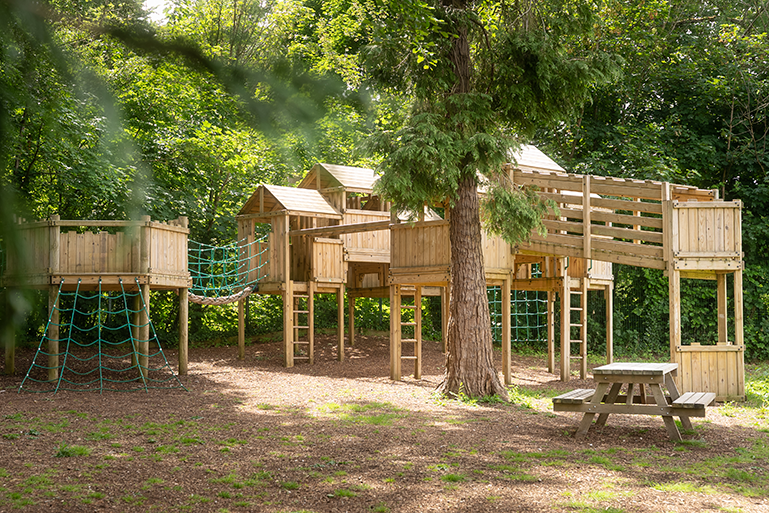
School-aged children have higher energy levels and a greater need for physical challenges. They want to test their strength, balance, and agility.
Safety first: By separating the "big kids" from the toddlers, you significantly reduce the risk of accidental collisions. Smaller children aren't overwhelmed by the fast-paced movement of older ones.
Developmental matching: Equipment that is too easy leads to "creative" (and often dangerous) misuse by older kids. Equipment that is too hard leads to frustration for younger kids. Zoning solves both.
Longevity of use: A playground with distinct zones becomes a destination for families with multiple children of different ages, ensuring the park remains a community hub for years.
Designing a space that grows with children requires high-quality, durable equipment and a thoughtful layout. The goal should be to create a safe environment where every child can reach their next milestone.
Looking to transform your outdoor space? Explore professional commercial playground equipment designed to inspire the next generation of explorers.