21st April
Going up? The playful evolution of the seesaw
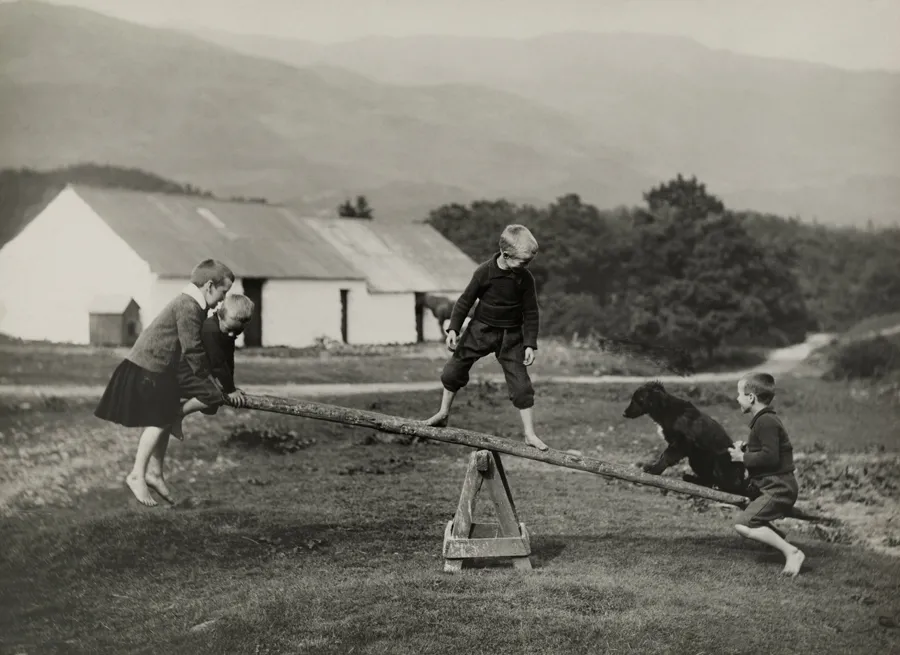
We’ve all been there, suspended in the air, legs dangling, holding tight, while your friend on the other end grins ready to push off the ground (or maybe threatens to jump off).
Image source: By Photographes du National Geographic.
The seesaw (also known as teeter totter, tilting board, teeterboard) has been a staple in any playground for many years, often thought to have dated back to ancient Greece. Its structure hasn’t changed much, as the first known design involved a plank of wood which was pivoted on a log or rock. It’s this rocking motion which gives it its name.
The rise of the modern playground
Until the late 19th century, seesaws were improvised toys found near construction sites or timber yards. The transition to the standardised playground equipment we see today happened around the turn of the 20th century:
- 1891: The George Putnam School in Boston became one of the first to include seesaws in an outdoor gymnasium setting.
- 1905: The Playground Association of America was founded to create safe, designated play spaces for children in crowded cities. During this era, manufacturers began producing seesaws made of iron and treated wood with handles and safety bumpers.
- Early 1900s: In the UK, Charles Wicksteed, an engineer by trade, is often credited with helping to formalise the design of modern park equipment (including swings and slides).
Fast forward to today
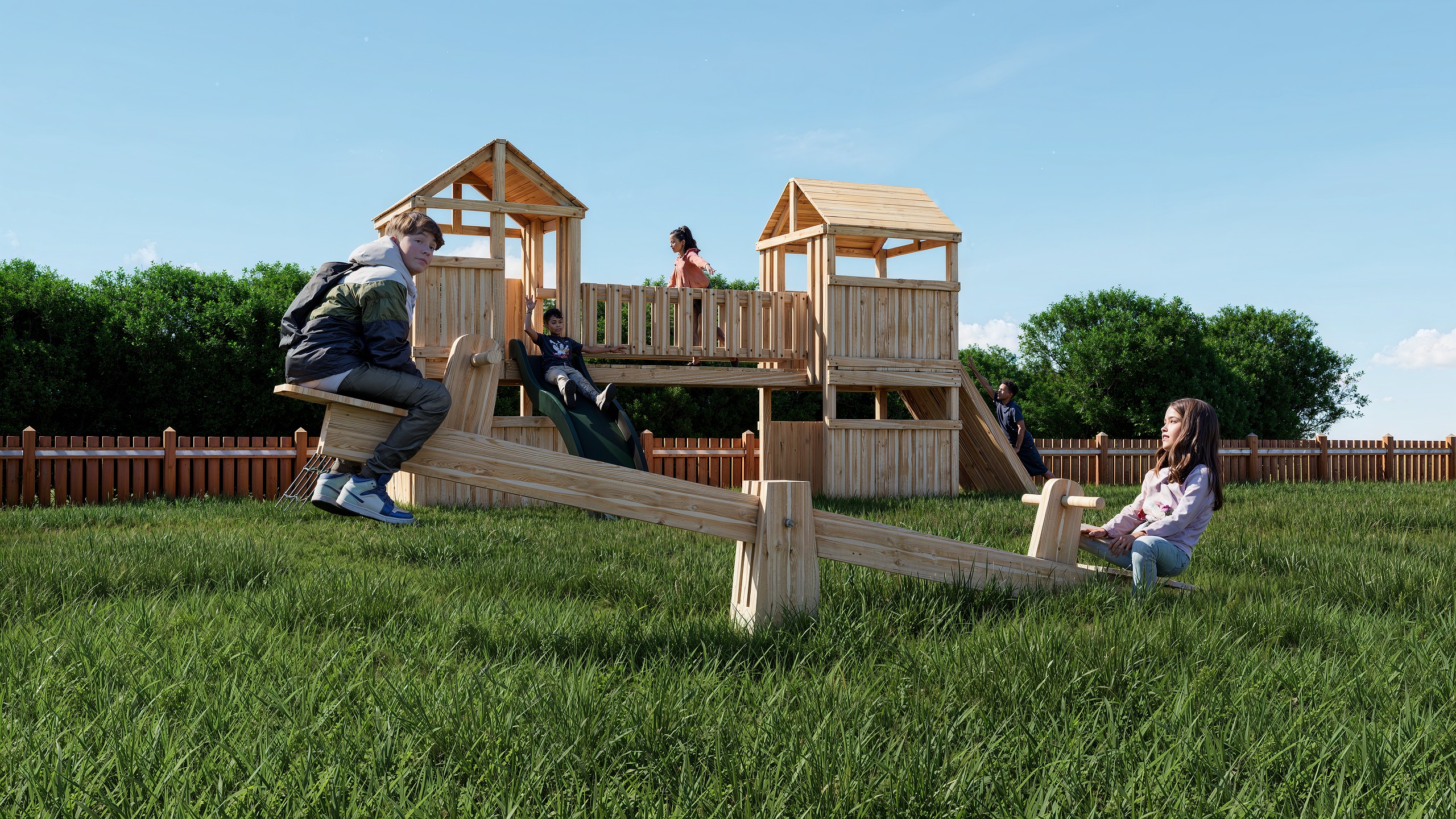
The traditional seesaw
The seesaw now comes in different shapes and sizes, and most importantly is accessible to all.
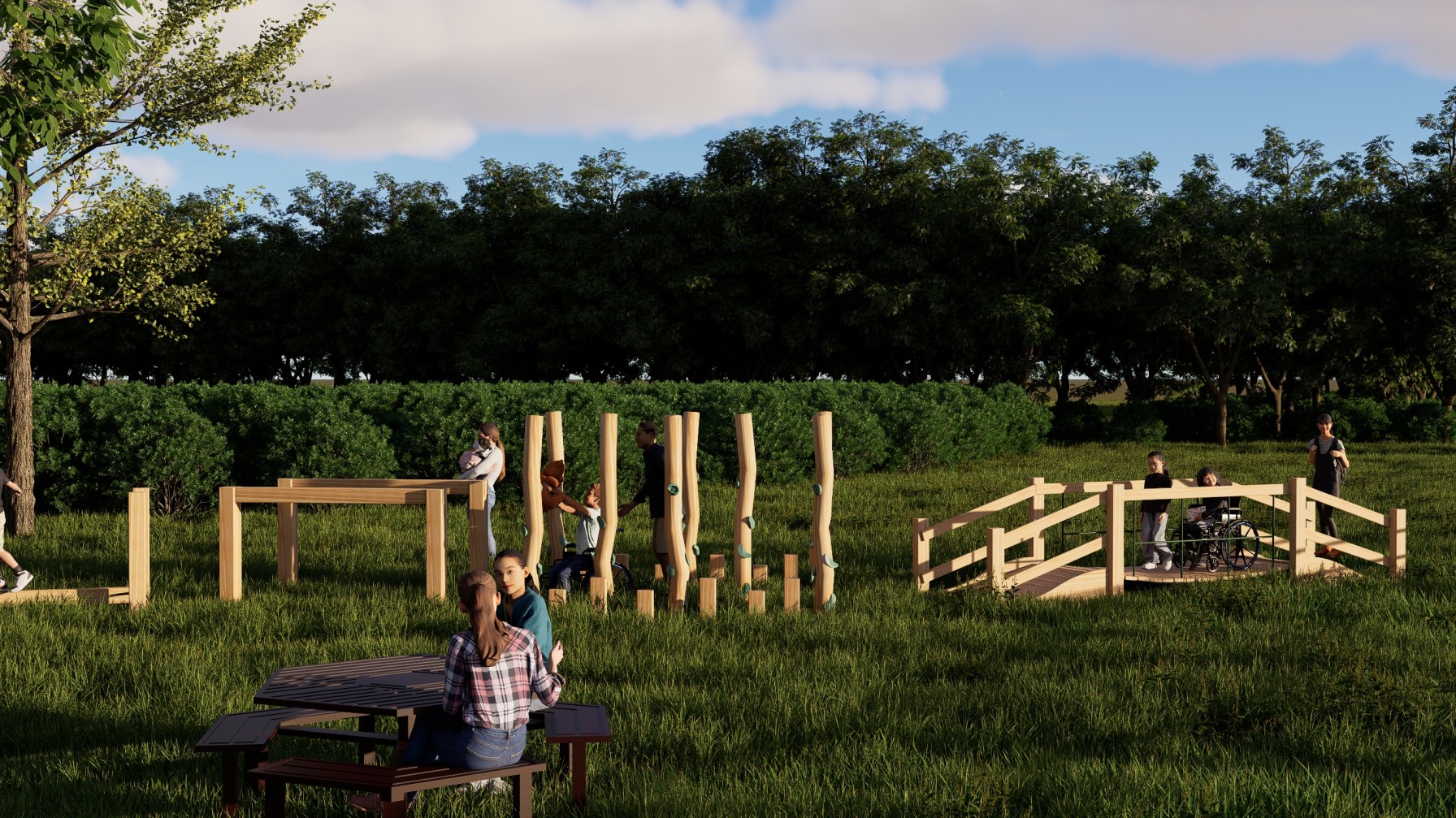
The accessible seesaw
Every child has the right to play no matter their age or ability.
Benefits of seesaw playtime
Physical health & strength
The seesaw provides a full-body workout by requiring children to use explosive force and controlled landings.
- Muscle Engagement: Pushing off and cushioning the descent strengthens the legs, glutes, and core.
- Core Stability: A strong core (including the abdominals and diaphragm) improves breathing patterns, posture, and spinal support.
- Motor Skills: Regular use enhances balance, coordination, and gross motor skills, which are foundational for athletics and daily activities.
Social skills & emotional intelligence
Because a seesaw requires two people, it serves as a natural laboratory for social interaction.
- Teamwork: children must cooperate to mount, balance, and dismount the equipment safely.
- Communication: success on a seesaw requires constant negotiation and verbal cues, fostering empathy and respect for a partner's perspective.
- Confidence: accomplishing the rhythmic "up and down" motion builds self-esteem and encourages comfortable one-on-one peer interaction.
Cognitive development
Seesaws offer a hands-on introduction to fundamental scientific and logical concepts.
- Cause and effect: Children learn the direct relationship between their physical actions and the equipment's reaction.
- Physics in motion: play introduces the basics of weight distribution, gravity, and spatial awareness—understanding where their body is in relation to others.
- Patience: waiting for a turn or coordinating a rhythm teaches self-regulation and the value of patience.