Few pieces of playground equipment are quite as iconic as the roundabout. Simple, social and just the right amount of dizzy, it has been a playground favourite for generations.
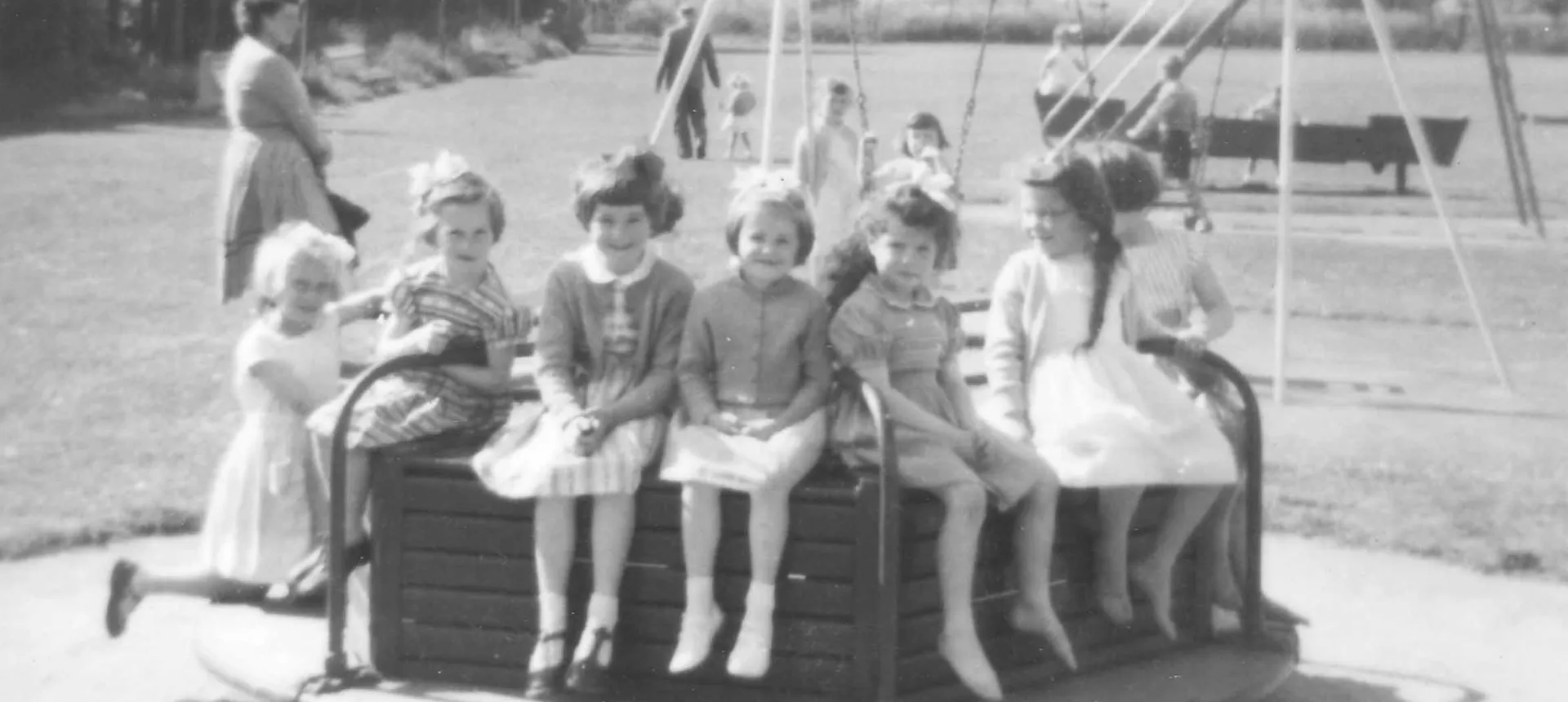
The roundabout has been a playground staple since the early 20th century, evolving from simple metal platforms that children could push around themselves into the familiar rotating structures we know today. Their appeal has always been pretty straightforward: get on, hold tight and spin!
But there was more to the roundabout than simply going round in circles. Children learned to negotiate balance, work together to get it moving, judge speed and (perhaps most importantly) discover exactly how much spinning was too much spinning!
Over the years, designs became safer and more sophisticated, with improved surfacing, braking mechanisms and carefully considered layouts. Yet the basic idea has remained remarkably unchanged.
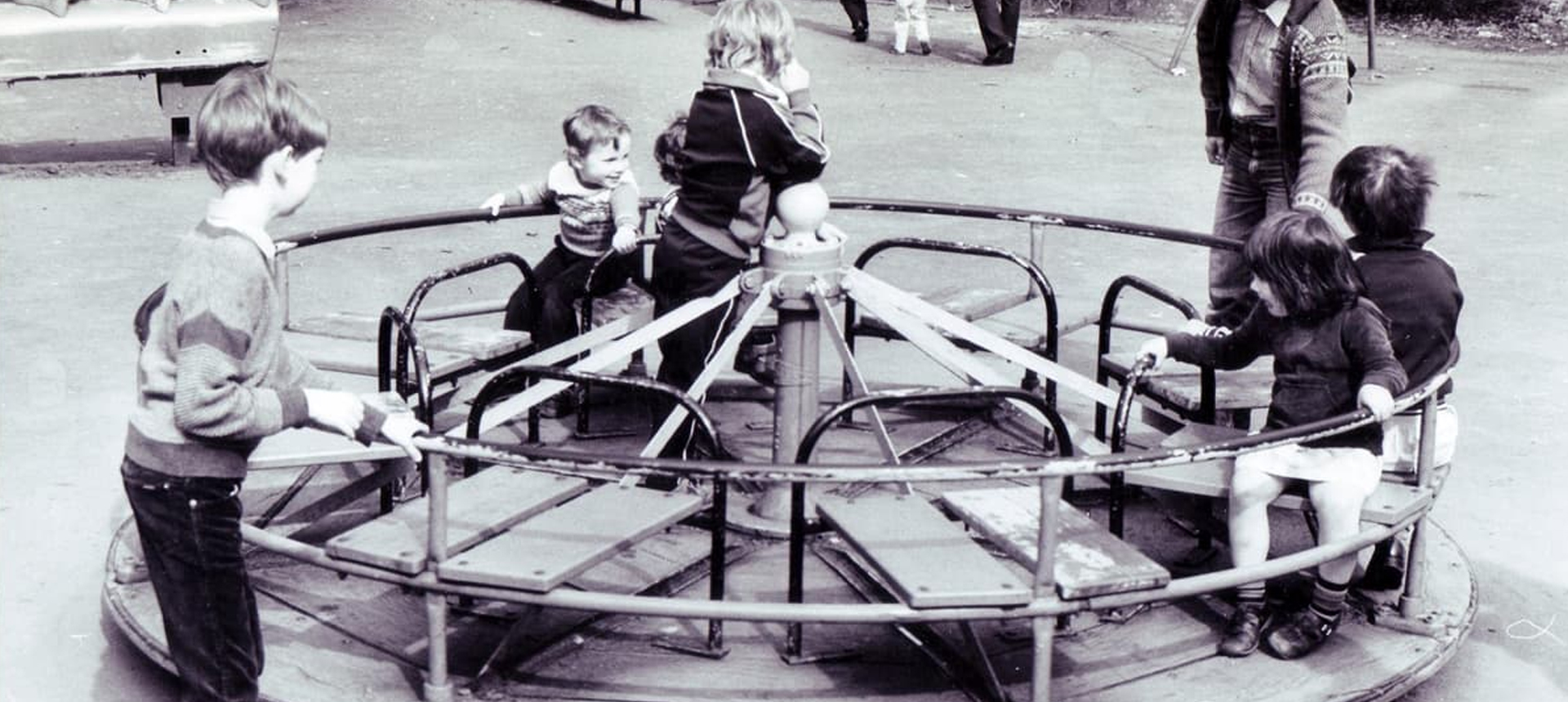
Modern designs put safety, accessibility and inclusion at the heart of the experience, while keeping the fun firmly intact.
There are now accessible roundabouts that allow wheelchair users to join the action, designs with different seating and standing positions, and inclusive layouts that make it easier for children with a range of abilities to play together. Some incorporate handrails, harnesses or controlled-speed mechanisms, while others offer multiple ways to get involved whether you're riding, pushing or simply enjoying the action from the sidelines.
And that's perhaps the best thing about the roundabout: it's still about playing together. Technology and design may have moved on, but the basic magic hasn't changed. Give a group of children a roundabout and, sooner or later, someone will shout, "Faster!"
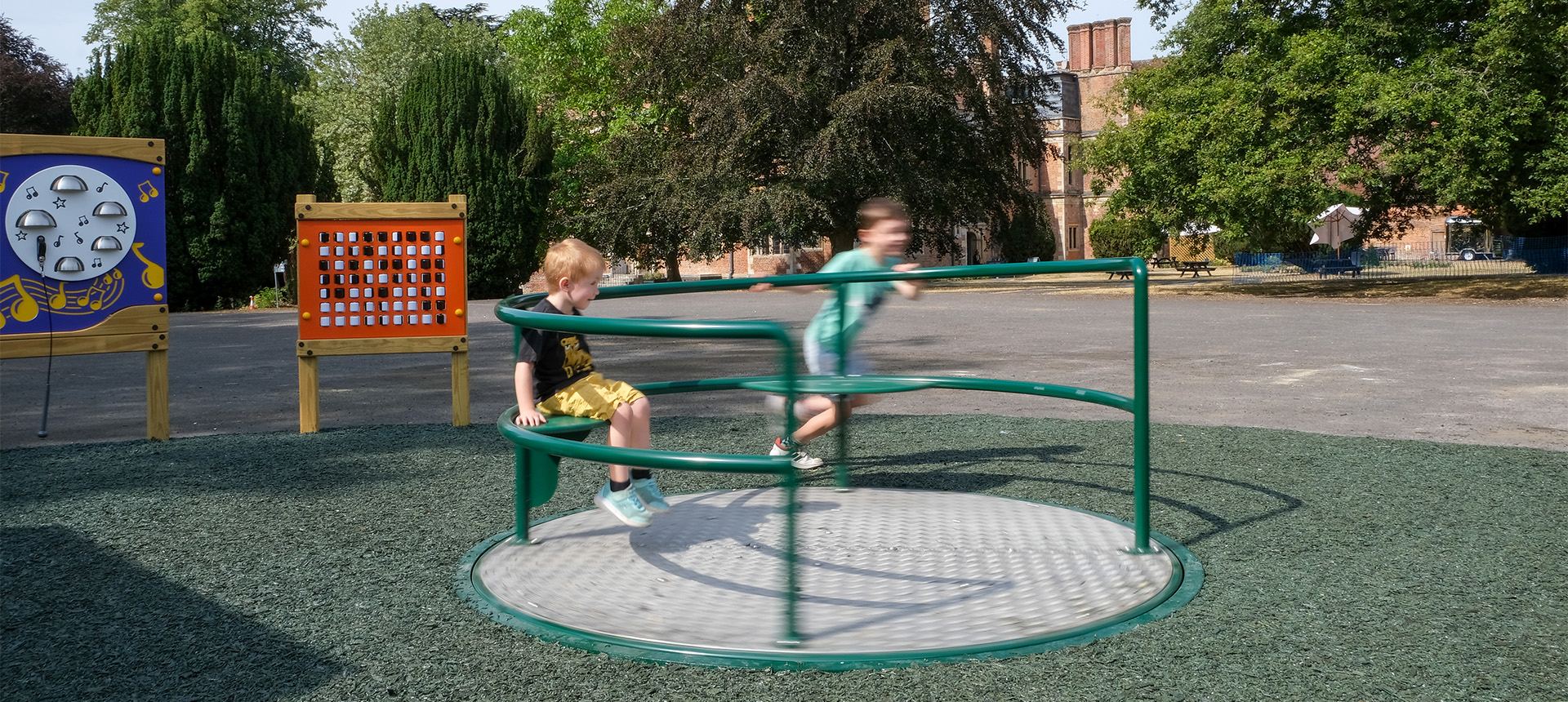
The roundabout may have evolved, but its heart has stayed the same: bringing children together to spin, laugh, hold tight and, inevitably, feel a little bit dizzy.
Built for play, made for memories.